Expert to
Enabler
A bespoke training design and facilitation programme for teams who need to share their knowledge across the business.
They know the subject. We turn it into a learning experience.
The situation
Knowing something well doesn't automatically mean you can teach it well.
Some of the most important training in an organisation isn't delivered by L&D at all. It's delivered by subject matter experts - HR teams, recruitment teams, finance business partners, or experienced managers, people who know their subject inside out but don't know how to make it accessible and engaging for others.
The problem is predictable. Briefing sessions tend to overwhelm rather than inspire; to inform rather than change behaviour. Subject-matter experts are often left to figure out facilitation on their own, without the tools or techniques to make it stick. The knowledge exists. The transfer doesn't happen.
This service brings two kinds of expertise together. They know the subject. We know how to turn it into training that works. Neither side has to pretend to be something they're not — and the result is stronger for it.
Why briefing sessions fall short
1
They're structured around the subject, not around how adults learn, so tends to overwhelm people
2
Subject experts default to presenting, not facilitating, which produces passive audiences rather than active engagement
3
Without structured activities and proper debriefs, learning doesn't transfer back to their roles
4
Experts are often left to figure out facilitation on their own, and know something isn't working but don't know how to fix it
How it works
Four stages. Built around your business.
1
Discovery
Brief & Content Review
We take a brief from the team and review their source documentation. We get into the detail so that what we design genuinely reflects how they think about the subject, not a generic curriculum imposed over their content.
2
Design
We Write the Modules
We design and write bite-size workshops built around their content, structured using proven learning science principles, and designed with the audience in mind, focussing on what really matters to them.
3
Virtual — Two sessions
Learning Principles Grounding
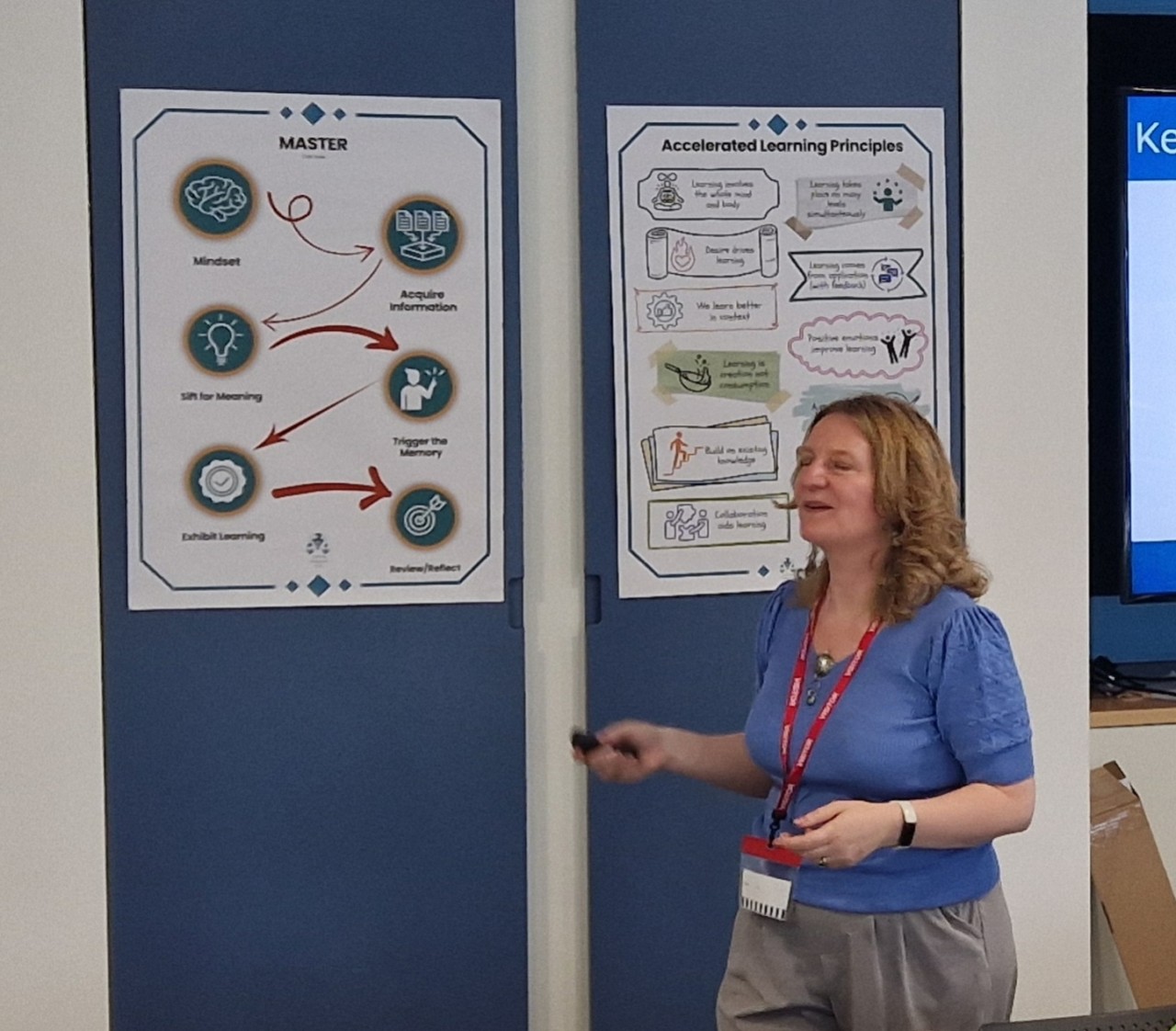
Before they deliver anything, we run two online sessions. The first covers what makes training different from briefing. The second walks through the modules through the lens of learning science, including frameworks such as MASTER and accelerated learning, so the team understands why they're built the way they are.
4
In person — Two days
Practice & Feedback
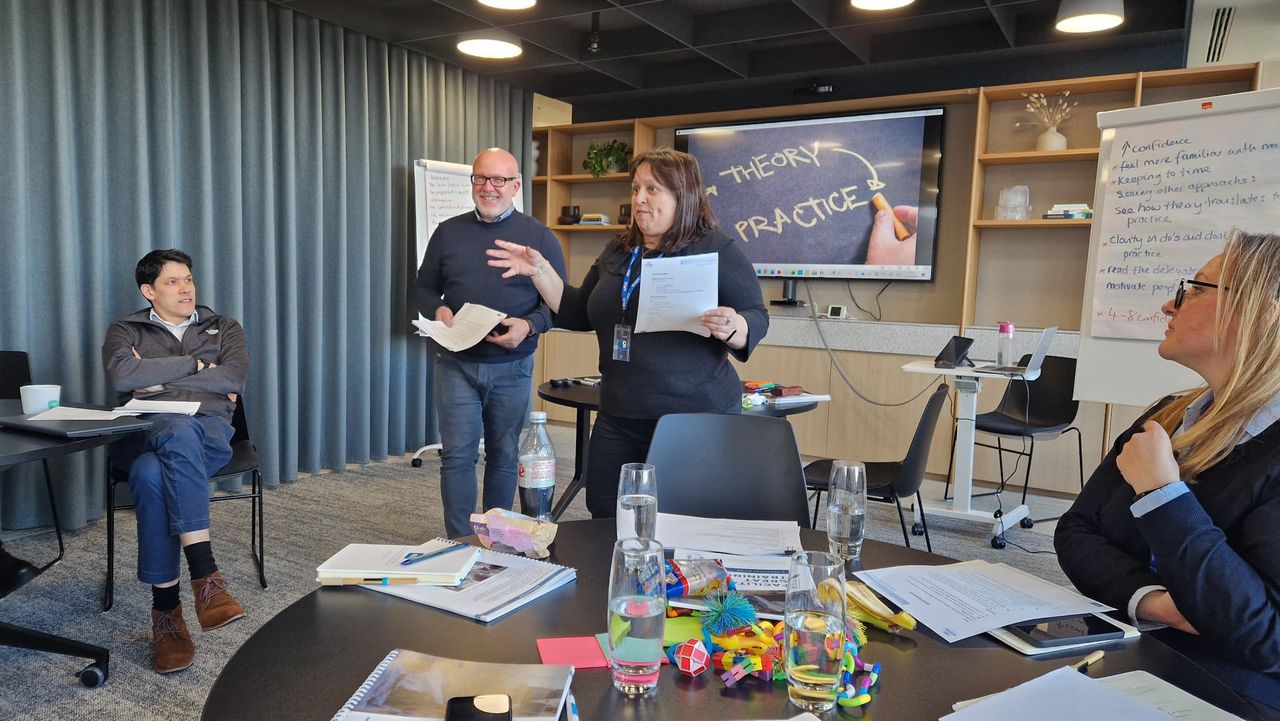
Day one explores practical facilitation techniques relevant to running their sessions, managing discussions, running activities, debriefing effectively. Day two is about doing: they practise delivering their own modules and get structured feedback. They leave with materials they've helped to shape and the confidence to use them.
In practice
Costain — HR & Recruitment Teams
The brief
Two expert teams.
Zero L&D experience. Real results.
Two specialist teams at Costain needed managers to understand their role more clearly, one focused on people management processes, the other on recruitment. Both teams had strong subject knowledge. Neither had L&D experience.
We took their briefs, reviewed their documentation and wrote a series of bite-size workshops for each team, designed from the ground up to promote learning transfer rather than simply cover content. Then we ran the full programme, virtual sessions on learning principles followed by two days in person, to prepare them to deliver.
Both teams left with materials they'd helped to shape and the confidence to run sessions that had a real chance of changing how their managers worked.
"
Both teams left with materials they'd helped to shape and the confidence to run sessions that had a real chance of changing how their managers worked. The difference between briefing and training had never been clearer.
Costain
HR & Recruitment Teams
Is this the right model for you?
This works well when...
Four signs
it fits >>>
A specialist team has knowledge managers need, but not the skills to share it effectively
The subject matter experts want to share their expertise to upskill their colleagues
You want something built from your own content and processes, not an off-the-shelf course
There's a need for an agile solution. Ad-hoc sessions are best delivered internally
Other services
03 — Current
Expert to Enabler
We turn your subject-matter experts into effective trainers.
Know a team
this would suit?
A 30-minute conversation is usually enough to work it out. Tell me what you're trying to achieve and I'll give you an honest view of what's possible, no commitment required.